 |
|
||||

 |
 |
 |
 |
 |
|||||
 |
 |
 |
 |
 |
 |
 |
||
 |
 |
 |
 |
 |
 |
 |
 |
 |
 |
|
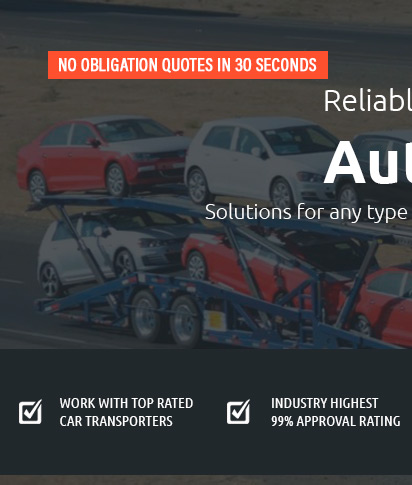
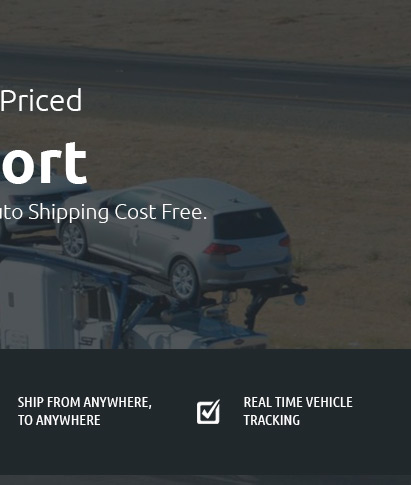
How to Get Your Car Shipped: A Comprehensive GuideShipping a car can often seem like a daunting task, especially when faced with the myriad of options available. Whether you're relocating across the country, purchasing a vehicle from a distant seller, or simply avoiding a long drive, understanding the intricacies of car shipping can save you time, money, and stress. Here, we delve into the most popular options for car shipping, providing a complete overview to help you make an informed decision. Firstly, it's important to recognize the two primary modes of car shipping: open transport and enclosed transport. Open transport is the most commonly used method, primarily due to its cost-effectiveness. With this option, your vehicle will be loaded onto an open-air trailer, which can transport multiple cars at once. Although this is typically the cheaper alternative, it does expose your car to the elements, which is worth considering depending on the weather conditions and the distance being covered. In contrast, enclosed transport offers a higher level of protection, as vehicles are loaded into a covered trailer. This method is often preferred for luxury, classic, or high-value vehicles, as it shields them from environmental factors and road debris. While more expensive, the peace of mind it offers can be invaluable, particularly if your car is a prized possession. Next, consider the choice between door-to-door and terminal-to-terminal services. Door-to-door service is incredibly convenient, as the transport company picks up and delivers the vehicle directly to your specified locations. This option is ideal for those with busy schedules or limited time, although it might come at a premium price. On the other hand, terminal-to-terminal shipping involves dropping off and picking up the vehicle at designated locations, which can be more affordable but less convenient. When selecting a car shipping company, it's crucial to conduct thorough research. Reputation and reliability are key factors to consider. Look for companies with positive customer reviews, transparent pricing, and proper licensing. Requesting quotes from multiple providers can also help you gauge the market rate and identify any outliers in pricing. Remember, the cheapest option is not always the best, as extremely low prices might indicate subpar service or hidden fees. Once you've chosen a shipping company, the preparation phase begins. It's advisable to clean your vehicle and remove any personal belongings, as these are not typically covered by the transport company's insurance. Documenting the car's condition with photos can also be beneficial in case of any disputes regarding damages. Furthermore, ensure that your vehicle is in good working order, as some companies may charge extra fees for inoperable vehicles. In conclusion, getting your car shipped involves a series of decisions that can significantly impact your experience. By understanding the differences between open and enclosed transport, and choosing between door-to-door and terminal-to-terminal services, you can tailor the process to suit your needs and budget. Ultimately, taking the time to research and prepare will help ensure a smooth and successful car shipping experience, allowing you to focus on the excitement of your next journey. https://shipacardirect.com/texas-car-shipping/dallas/?srsltid=AfmBOoqnjhaQ7LmK7O68pBGcchjgwQPHCAJR6gTmwDYf45YPNN3tuJ66
One of the many benefits of working with Ship A Car Direct is that you don't have to leave the comfort of your own home to arrange a shipment or delivery of a ... https://www.americanautoshipping.com/auto-shipping-cities/dallas-fort-worth-tx/
If you talk to a representative on the phone, they can answer your questions, give you a quote, book your shipment, and much more. So no matter what you're ... https://www.autotransportdirect.com/car-shipping/texas/dallas/
When your vehicle is being shipped along a highway or crossing a bridge, it is important to remember that your toll transponder could get ...
|
